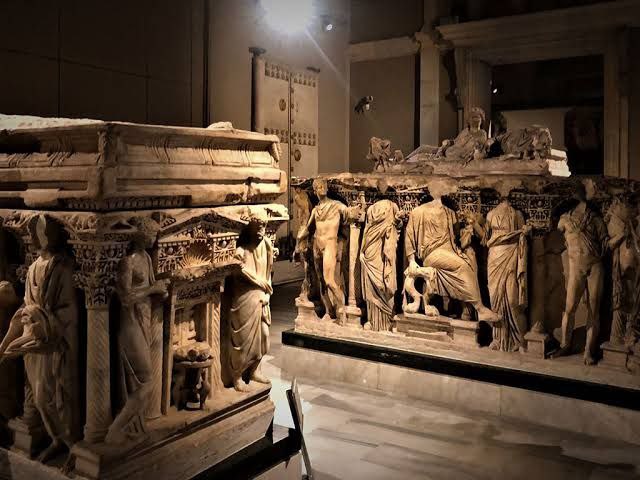
Restoration of Ancient Artifacts: From Past to Present
Abstract:
The restoration of ancient artifacts is a critical discipline in the preservation of cultural heritage. This process not only involves the repair and reconstruction of damaged artifacts but also aims to preserve their historical and cultural identity. This article explores the history of artifact restoration, various methods and styles, challenges faced in the field, and its significance in the modern world. Additionally, practical examples of globally renowned restoration projects and authoritative references are provided for further study.
---
1. Introduction
The restoration of ancient artifacts is both a science and an art, playing a vital role in preserving humanity's cultural heritage. This process involves diagnosing damage, repairing, and reconstructing artifacts to ensure their survival for future generations. Restoration not only addresses the physical reconstruction of artifacts but also safeguards their historical, artistic, and cultural values. This article delves into the history of restoration, its methods, styles, challenges, and its importance in contemporary society.
---
2. Historical Development of Artifact Restoration
The practice of restoring ancient artifacts dates back to antiquity, but it emerged as a modern scientific discipline in the 18th and 19th centuries:
A) Ancient Period
- In ancient civilizations such as Egypt and Rome, damaged artifacts were often repaired, but this was primarily for functional purposes rather than cultural preservation.
- Example: In ancient Egypt, statues and temples were restored for use in religious ceremonies.
B) Renaissance
- During the Renaissance, interest in classical art and artifacts grew, leading to early attempts at restoration.
- However, these methods were often unscientific and based on personal taste.
- Example: Restoration of frescoes in Italian churches.
C) 18th and 19th Centuries
- The establishment of museums and a growing interest in historical preservation formalized restoration as a scientific discipline.
- More systematic approaches to restoration were developed during this period.
- Example: Restoration of Greek and Roman sculptures in European museums.
D) 20th and 21st Centuries
- Advances in technology revolutionized the field of artifact restoration.
- Modern techniques such as 3D imaging, laser cleaning, and advanced chemical treatments have significantly improved the precision and quality of restoration.
- Example: Restoration of the Sistine Chapel frescoes by the Vatican's restoration team.
---
3. Styles of Artifact Restoration
Artifact restoration encompasses various styles and approaches, each with its own advantages and limitations. Some of the most prominent styles include:
A) Preventive Conservation
- Focuses on preventing further damage to artifacts.
- Example: Controlling temperature and humidity in museums, using UV-resistant materials to protect colors.
- Source: *UNESCO Guidelines for Preventive Conservation*.
B) Restorative Conservation
- Aims to repair existing damage with minimal intervention.
- Example: Repairing cracks in a statue without adding new materials.
- Source: *ICOM-CC (International Council of Museums - Conservation Committee)*.
C) Reconstructive Conservation
- Involves reconstructing missing parts of an artifact.
- Example: Rebuilding damaged sections of an ancient building using similar materials.
- Source: *Getty Conservation Institute*.
D) Aesthetic Conservation
- Focuses on preserving or enhancing the visual appeal of an artifact.
- Example: Repainting damaged areas of a painting to restore its original appearance.
- Source: *Journal of Cultural Heritage*.
E) Scientific Conservation
- Utilizes advanced scientific methods and technologies for restoration.
- Example: Using lasers to clean the surface of a metal sculpture.
- Source: *Studies in Conservation*.
---
4. Methods of Artifact Restoration
The restoration of ancient artifacts involves several meticulous steps, each requiring specialized expertise:
- Damage Assessment: Thorough examination of the artifact to identify the type and extent of damage.
- Cleaning: Physical or chemical methods to remove dirt, corrosion, or other contaminants.
- Repair: Fixing cracks, breaks, or other damage using appropriate materials.
- Reconstruction: Rebuilding missing parts of the artifact using compatible materials.
- Preservation: Applying protective measures to prevent future damage.
---
5. Importance of Artifact Restoration
- Preserving Cultural Heritage: Restoration ensures that ancient artifacts are preserved for future generations.
- Historical Understanding: It helps us better understand the history and culture of past civilizations.
- Tourism and Economy: Restored artifacts attract tourists, contributing to economic development.
- Education and Research: Restoration enables further study and research into ancient cultures.
---
6. Challenges in Artifact Restoration
- Balancing Preservation and Reconstruction: One of the biggest challenges is maintaining the artifact's authenticity while restoring it.
- Material Compatibility: Selecting appropriate materials for restoration is crucial.
- Environmental Factors: Humidity, temperature, and pollution can adversely affect artifacts.
---
7. Practical Examples of Artifact Restoration
- Restoration of the Sistine Chapel Frescoes: Use of lasers and advanced chemicals to clean and restore Michelangelo's masterpieces.
- Restoration of the Buddhas of Bamiyan: International efforts to reconstruct the destroyed statues in Afghanistan.
- Restoration of Pompeii: Extensive projects to preserve and rebuild the ancient Roman city in Italy.
---
8. Conclusion
The restoration of ancient artifacts is not only a scientific endeavor but also an art that safeguards humanity's cultural heritage. With advancements in technology and methodologies, artifact restoration has reached new levels of precision and quality. Preserving and restoring ancient artifacts not only helps us understand our past but also ensures that future generations can appreciate and learn from these invaluable treasures.
---
References
1. UNESCO. (2008). *Guidelines for Preventive Conservation*.
2. ICOM-CC. (2017). *Ethics of Conservation*.
3. Getty Conservation Institute. (2020). *Reconstructive Conservation Methods*.
4. Journal of Cultural Heritage. (2019). *Aesthetic Conservation Practices*.
5. Studies in Conservation. (2021). *Scientific Approaches to Art Restoration*.
Compiled by Professor Dr. Hesam Mohtasham
0 Comments:
replay to Comments
Write your answer, it will be displayed after the administrator's approval
Leave a Reply