Archaeology: Understanding the Past Through Material Culture
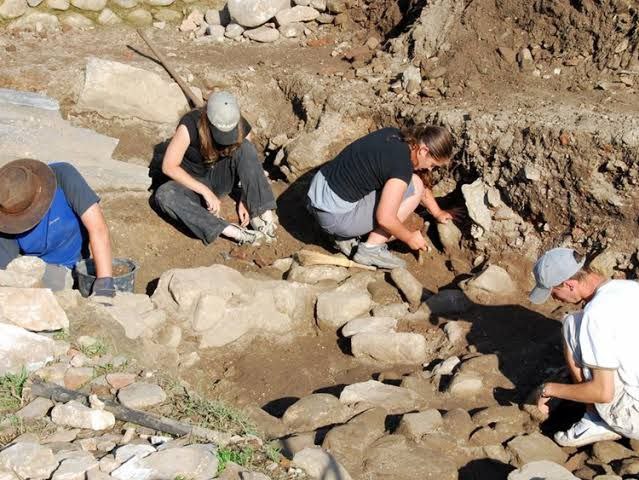
Archaeology is the study of human history and prehistory through the excavation of sites and the analysis of artifacts and other physical remains. By studying past human behavior, cultures, and civilizations, archaeology helps us understand how people lived, worked, and interacted with their environment. This article explores the definition, origins, and styles of archaeology, along with some examples and important sources in the field.
---
1. Definition of Archaeology
Archaeology is a multidisciplinary science that focuses on the analysis of material remains left by past human societies. These remains may include artifacts (such as tools, pottery, and weapons), structures (such as buildings, temples, and cities), biofacts (such as human bones and seeds), and even cultural landscapes. Archaeologists work to reconstruct ancient ways of life, understand cultural practices, and trace the development of human societies over time.
Key Areas of Archaeology:
Artifacts: Man-made objects such as pottery, tools, and ornaments.
Architecture: Structures like temples, houses, and fortifications.
Biofacts: Organic materials such as bones, shells, and seeds that provide insights into human health, diet, and migration.
---
2. The Origins of Archaeology
Archaeology, as a formal discipline, emerged in the 18th and 19th centuries, although its roots can be traced back to ancient civilizations. Let’s explore the development of this field:
Ancient Civilizations: Ancient Greeks and Romans were among the first to take interest in the remnants of previous civilizations. They often collected artifacts from past societies, though they did not scientifically study them.
The Middle Ages: During this period, ancient objects were often viewed as curiosities or treasures rather than tools for studying history.
Renaissance: Interest in classical Greece and Rome spurred a renewed focus on ancient artifacts and sites. Archaeological exploration was driven by a desire to recover lost knowledge.
18th and 19th Centuries: Archaeology emerged as a distinct scientific discipline, with significant developments in the study of ancient civilizations such as Egypt and Mesopotamia. Key discoveries like the excavation of Pompeii (Italy) and the decoding of hieroglyphs in Egypt provided the foundation for modern archaeology.
20th and 21st Centuries: With the advent of new technologies such as carbon dating, aerial photography, and digital mapping, archaeology entered a new phase, offering more precise and detailed studies of past societies.
---
3. Types of Archaeology
There are various sub-disciplines within archaeology, each focusing on different aspects of past societies. These include:
a) Prehistoric Archaeology
This branch studies periods before the invention of writing. Prehistoric archaeologists focus on the early stages of human history and the evolution of human societies.
Example: The study of Neanderthal tools or cave paintings helps reconstruct the behavior and lifestyle of early humans.
b) Historical Archaeology
Historical archaeology focuses on periods when written records are available, often studying historical texts alongside material culture.
Example: The excavation of colonial settlements in the Americas, such as Jamestown, Virginia, provides insights into early European colonization and interactions with Native Americans.
c) Underwater Archaeology
This field deals with the study of submerged sites, including shipwrecks, sunken cities, and harbors.
Example: The discovery of ancient shipwrecks like the Antikythera wreck off the coast of Greece, which contained artifacts dating back to the 2nd century BCE, reveals trade networks and maritime technology of the ancient world.
d) Urban Archaeology
Urban archaeologists study the remains of ancient cities and towns to understand urban development and the lives of their inhabitants.
Compiled by Professor Dr. Hesam Mohtasham
0 Comments:
replay to Comments
Write your answer, it will be displayed after the administrator's approval
Leave a Reply